
Why We Age Our Chili Butter For Twelve Days
Fermentation is the quiet engine of our kitchen. Nothing about it looks impressive on a prep list, and none of it happens quickly, but almost every sauce we send out passes through something that has been sitting in the ferment room for at least a week.
Chili butter is the clearest example. Made and used on the same day, it tastes like chili and butter: sharp, a little raw, pleasant enough. Left for twelve days in a cool dark corner, it turns into something else entirely. The heat rounds out, a savoury depth appears that was not there before, and the whole thing gains a faint sweetness that makes it work with everything from wings to grilled corn.
What actually happens in twelve days
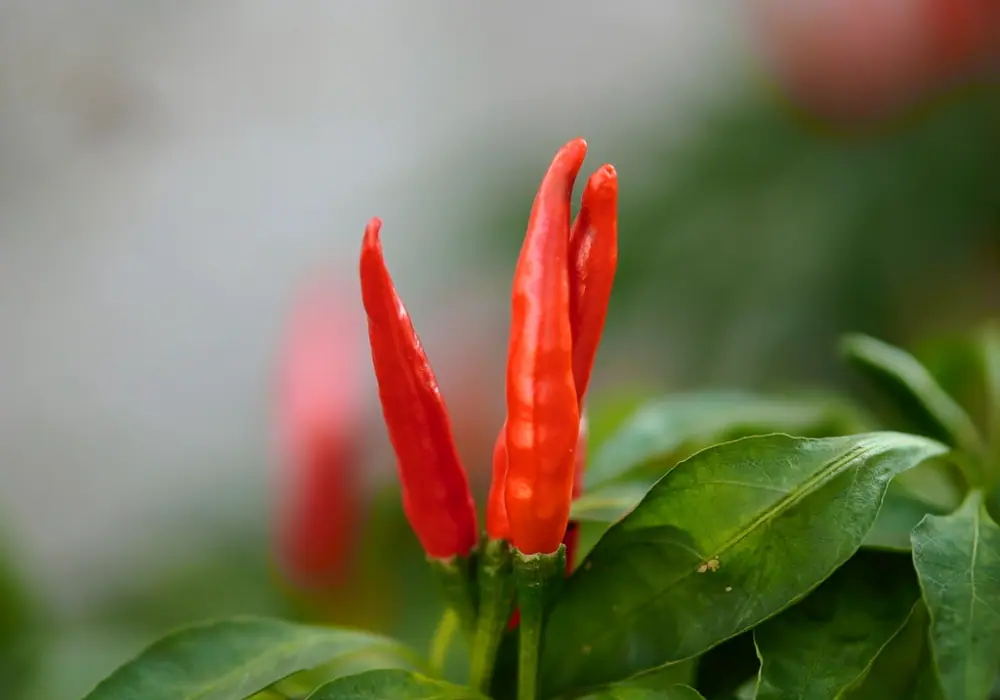
The process is straightforward. Fresh chilies are salted at three percent of their weight, packed tight and left to ferment for eight days. During that time, lactic acid bacteria break down the sugars in the fruit and produce the acidity that stops anything unpleasant taking hold. The chili loses its raw edge and gains complexity.
On day nine the mash is blended with cultured butter and returned to the cold room for a further three days. This is the part most kitchens skip, and it is the part that matters. The butter takes on the flavour slowly, and the residual bacteria keep working at a much reduced rate, softening the last of the harshness.
Every shortcut we have tried tastes like a shortcut. Twelve days is not a marketing number, it is simply the point at which the butter stops improving.
Tobias Rune, Sous Chef
Three things that go wrong
If you want to try this at home, there are three failures worth knowing about before you start. None of them are dramatic, but all of them waste a fortnight.
- Not enough salt. Below two and a half percent, the ferment becomes unpredictable. Weigh it, do not guess.
- Too much light. Direct sunlight bleaches the colour and pushes the flavour towards bitterness. A cupboard is fine.
- Impatience. Tasting daily is fine. Blending on day five because it smells good is not.
What to use it on
We fold it through our smoked chili wings just before they leave the pass, so the butter melts rather than fries. It is also excellent on grilled flatbread, stirred into a bowl of rice, or melted over any white fish that can take a little heat.
If you make a batch, keep it cold and use it within three weeks. It will not spoil quickly, but the character does start to flatten out after the first month, and by then you will almost certainly have finished it anyway.

Tobias Rune
Tobias looks after the ferment library, from the twelve day chili butter to the vinegars that finish our sauces. Writes here about ferments, sauces and anything that improves with time.

14 comments
Priya Raghunathan
ReplyTried this with a mix of scotch bonnet and cayenne. Day twelve was noticeably better than day eight, exactly as described. The salt weighing tip saved me from a very sad first attempt.
Tobias Rune
ReplyGlad it worked. Scotch bonnet ferments a little faster because of the sugar content, so if you go that route again try tasting from day seven.
Kwame Mensah
ReplyAny chance of a follow up on the vinegars? I ate at Babuka last month and the sauce on the roast chicken was outstanding.
Leave a comment